
Make the Waterfront and Islands One Easy Day
Anchor the day on the shoreline, then decide whether the islands are the main event or a bonus round. Leave room for a slower return.
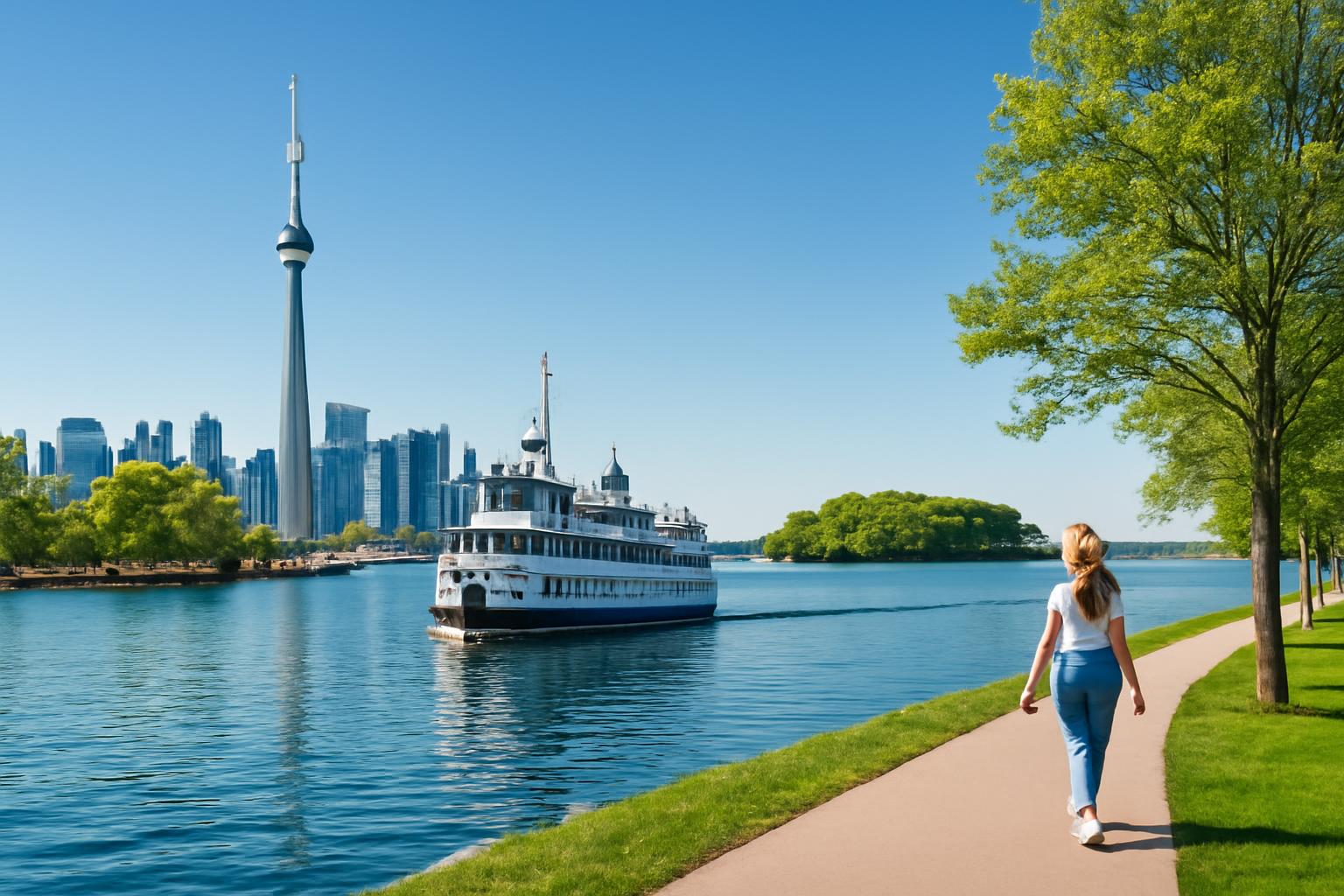
A good Toronto waterfront and islands day is not about doing everything. It is about making the waterfront the anchor, then deciding whether the islands are the main event or the bonus round. Once you set that expectation, the day becomes a lot easier to enjoy.
The simplest way to think about it is this: choose one water-related goal and one shore-related goal, then stop.
That keeps the day from turning into a chain of small commitments. On a waterfront day, the hard part is usually not the route itself. It is resisting the urge to keep adding one more stop because the area feels easy to extend.
Build the day in two halves
Shore half
Use the shoreline for your first walk, lunch, or coffee stop. That gets the day moving without a hurry. The waterfront is often the easiest place to start because it gives you direction immediately.
Island half
If you go across, keep the island portion focused. Pick one loop, one beach, one quiet spot, or one picnic-style stop. Do not turn the crossing into a scavenger hunt.
If the islands are your main goal, give them the time they deserve. If they are a bonus, keep the visit short and let the waterfront do the rest of the work. Either way, the point is to avoid making the water crossing carry an oversized itinerary.
That keeps the day relaxed.
How to avoid the common mistakes
The first mistake is overpacking the itinerary. If you add too many separate stops, you spend the day checking clocks.
The second mistake is underestimating transition time. Even a simple water crossing needs enough buffer to feel calm.
The third mistake is treating the islands as mandatory. They are a great option, but the waterfront alone can already be a full, satisfying day.
The fourth mistake is forgetting that the weather can change the shape of the outing. A breezy day on the water asks for a different pace than a dry afternoon inland.
It is also worth leaving room for a slower return. That one change makes the day feel much less rushed, especially if you want to sit, snack, or simply watch the harbor before heading back.
A practical route shape
One good structure is:
- breakfast or coffee near the shoreline
- a waterfront walk
- the crossing if you are doing it
- one island stop or loop
- an easy return to the city
That gives the day a spine without making it rigid.
What to bring
Bring a layer, water, and comfortable shoes. If you plan to linger, bring whatever you need to sit outside for a while without feeling rushed. If you plan to move quickly, keep the bag small.
That small amount of preparation is what lets the waterfront stay pleasant instead of fussy. You want enough structure to avoid friction and enough slack to enjoy the water without watching the clock too closely.
If you think about it in simple terms, the waterfront is the attraction and the rest is support. Keep the support light, and the day usually takes care of itself.
That is enough for a good trip. You do not need to push it farther than that.
If you want a final checkpoint, ask whether the day still feels light when you picture the return ride home. If it does, the plan is probably sized right.
That is a simple test, but it works well for this kind of day.
Light is usually the right feeling for a waterfront outing.
If the plan feels heavy, it probably needs to be smaller.
That is the cleanest way to keep the day calm.
Small is usually enough here.
And it is usually enough for a good day.
That is the whole point.
If you finish with energy left, that is a sign the day was sized well rather than underdone.
The best waterfront days usually end that way.
They feel full without feeling crowded.
That is the easiest way to avoid overplanning. A waterfront day works best when it leaves you feeling like you had room to breathe, not like you squeezed every possible stop into the route.
That sounds basic, but the right setup is what makes a waterfront day feel effortless.
When this day works best
This is a strong option when you want a slower Toronto day that still feels active. It works especially well as a mid-trip reset because it gives you open space without making you leave the city.
If you want the day to start with a clean neighborhood choice, read how to choose a Toronto neighborhood for a first visit. If you want the city to stay compact, use how to plan Toronto by streetcar corridor next.